What is Arroz Verde?
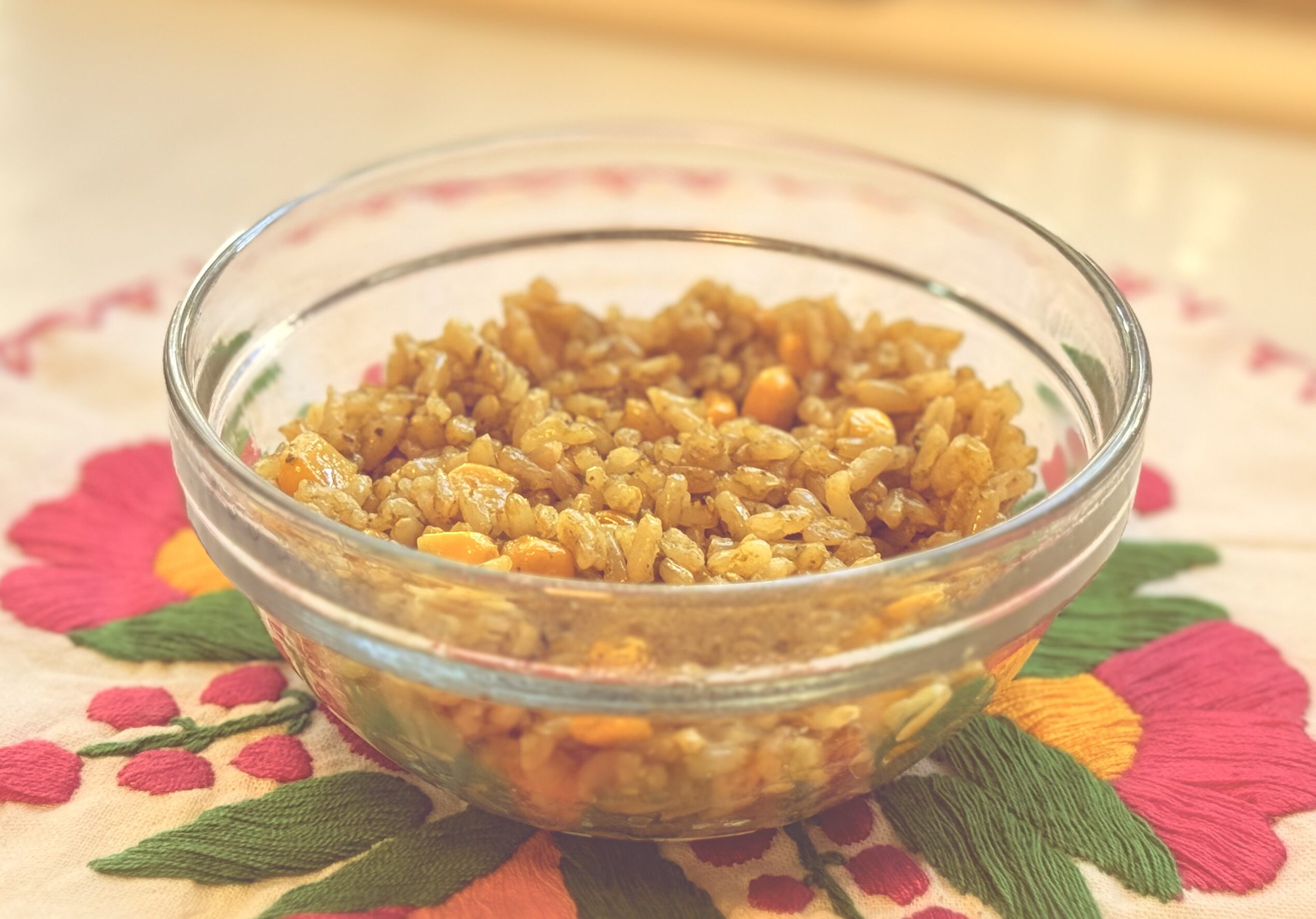
Arroz Verde, or “Green Rice,” is a classic Mexican side dish that gets its stunning emerald hue and deep flavor from a blended puree of fresh herbs and peppers. Unlike Arroz Rojo (red rice), which relies on tomatoes, Arroz Verde is all about brightness. It typically features mild poblano chiles, cilantro, and sometimes spinach for an extra nutrient boost. It’s the perfect companion to heavy braises, bean dishes, or tucked inside a burrito.+1
Ingredient Tips & Substitutions
- The Rice: Long-grain white rice or Basmati is the way to go. Basmati, while not strictly traditional Mexican, works beautifully because the grains stay separate and fluffy, which mimics the “dry rice” (sopa seca) style preferred in Mexico.
- The Green Base: If you can’t find Poblano peppers, you can use a green bell pepper with a deseeded jalapeño for a similar flavor profile without too much heat.
- The “Secret” Spinach: I like to add a handful of fresh spinach to the blender. It doesn’t change the flavor, but it ensures the rice stays a “vibrant neon green” rather than a duller mossy color after cooking.
- Broth: Use a high-quality vegetable broth. For a deeper “Indian-Mexican” twist, you can even use water infused with a little ginger and green cardamom.
Detailed Cooking Guidance: The Path to Fluffy Rice
The difference between “mushy rice” and “perfect Arroz Verde” lies in the technique. Follow these cues:
- The Toasting (The “Nacaring”): Before adding any liquid, sauté the dry rice in oil until the grains turn opaque and slightly golden. This creates a protective coating around each grain, ensuring they stay separate and don’t clump together. It should smell nutty, like popcorn.
- The Liquid Ratio: Gluten-free grains can be finicky. Ensure your blended green puree plus your broth equals exactly the amount of liquid called for in the recipe. Too much liquid is the #1 cause of “gummy” rice.
- The “No-Peep” Rule: Once you put the lid on and turn the heat to low, do not open it. Opening the lid lets out the steam required to cook the rice evenly.
- The 10-Minute Rest: After the water is absorbed, turn off the heat but leave the lid on for 10 minutes. This allows the moisture to redistribute, making the rice much easier to fluff without breaking the grains.
Storage & Usage Ideas
- Storage: Arroz Verde keeps well in an airtight container for up to 5 days. It’s a fantastic meal-prep base.
- Reheating: To prevent the rice from drying out, add a teaspoon of water or a tiny cube of vegan butter before microwaving. Cover it to trap the steam.
- Leftover Magic: Cold Arroz Verde is actually the best base for Fusion Fried Rice. Toss it in a wok with some chickpeas, cumin seeds, and a splash of soy sauce or lime juice for a 10-minute lunch.
- Stuffed Peppers: Use leftovers to stuff bell peppers or poblano chiles, top with vegan cheese, and bake until bubbly.
FAQ: Frequently Asked Questions
Why did my Arroz Verde turn brown instead of green?
This usually happens if the rice is cooked for too long or at too high a temperature. To keep the green vibrant, make sure you reduce the heat to the lowest setting as soon as it hits a boil. Also, adding a handful of raw spinach to your herb blend acts as a natural “color-stay” during the steaming process.
Is Arroz Verde spicy?
As written with poblano peppers, it is very mild and family-friendly. Poblanos offer an earthy, smoky flavor rather than a sharp heat. If you want a kick, leave the seeds in a jalapeño and blend that into your green sauce.
Do I have to rinse the rice?
Yes! Rinsing the rice under cold water until the water runs clear removes excess surface starch. This is the single most important step for achieving that “fluffy, individual grain” texture rather than a sticky mass.
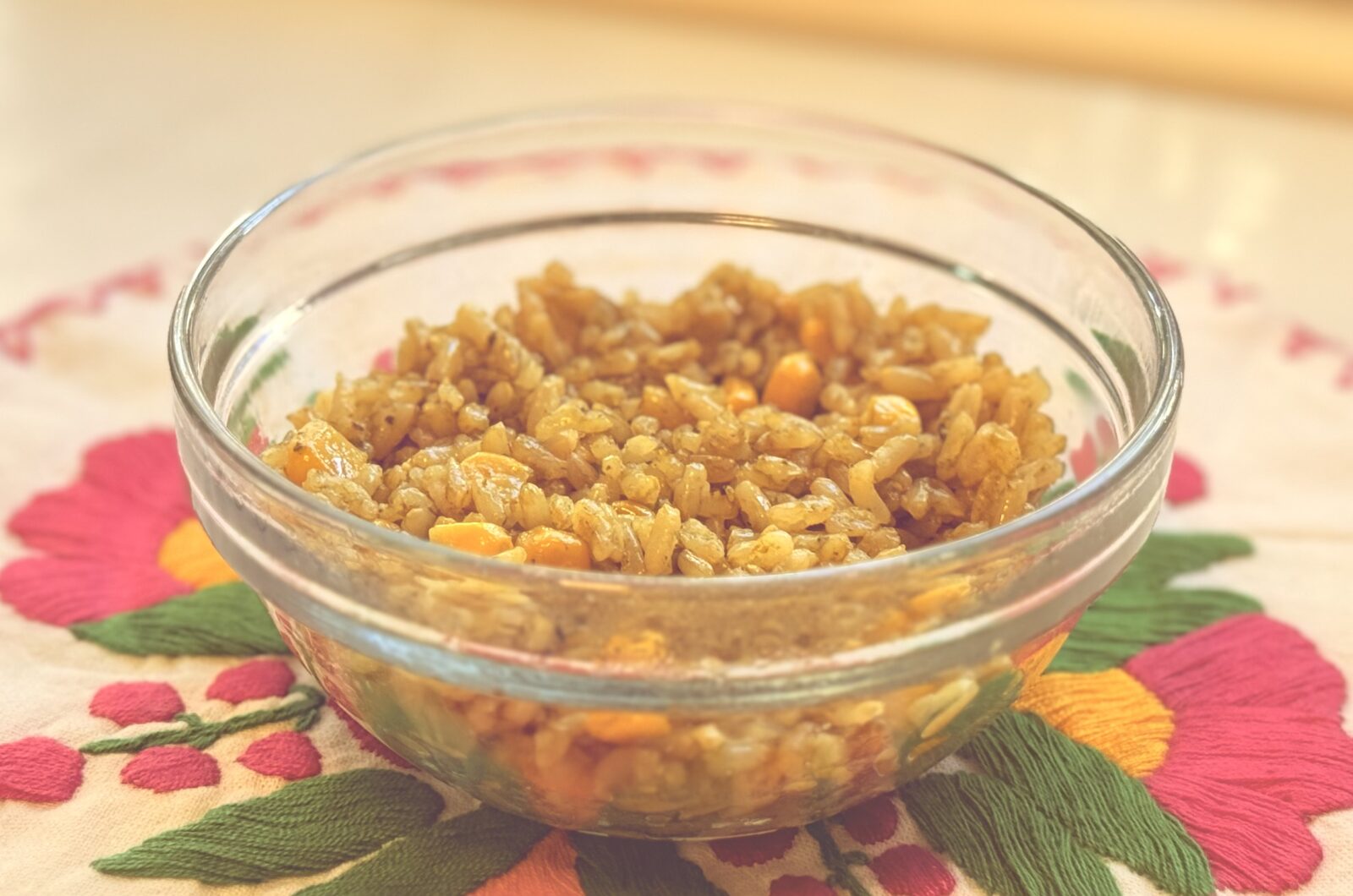
Arroz Verde with Fire-Roasted Poblanos (Mexican Green Rice)
8
servings30
minutes40
minutesBrilliant green, intensely aromatic, and perfectly fluffy. This Arroz Verde is the herbaceous, one-pot wonder your dinner plate has been missing.
Ingredients
2 cups brown rice
4 cups veggie broth
2 poblano chiles
4 tbsp avocado oil
5 tbsp chopped cilantro
1/2 onion, finely chopped
3 cloves garlic
1 cup corn
Directions
- Soak rice in boiled water for 15 minutes. Drain and rinse the rice until the water is clear.
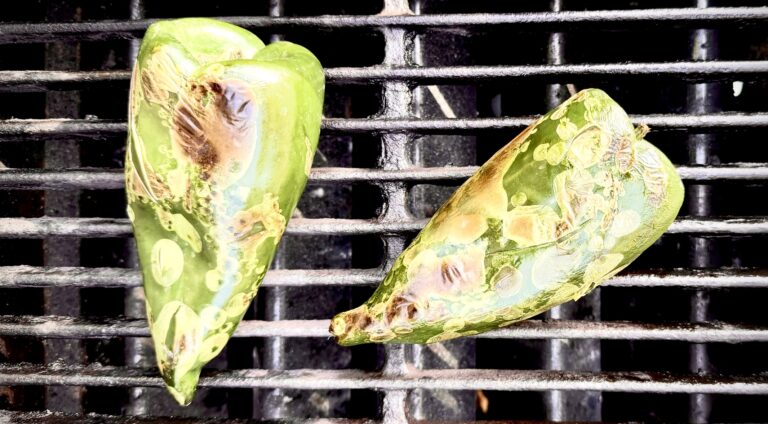
- Char the poblano chiles directly on an open flame (or bbq grill). If you don’t have one, then broil them until they are charred on all sides. Place them in a paper bag to let them sweat for 15 minutes. Use a small knife to scrape the charred parts off the skin, then core and seed the chiles.

- Add the chiles, garlic, and 1 cup of the veggie broth to a blender and blend together.
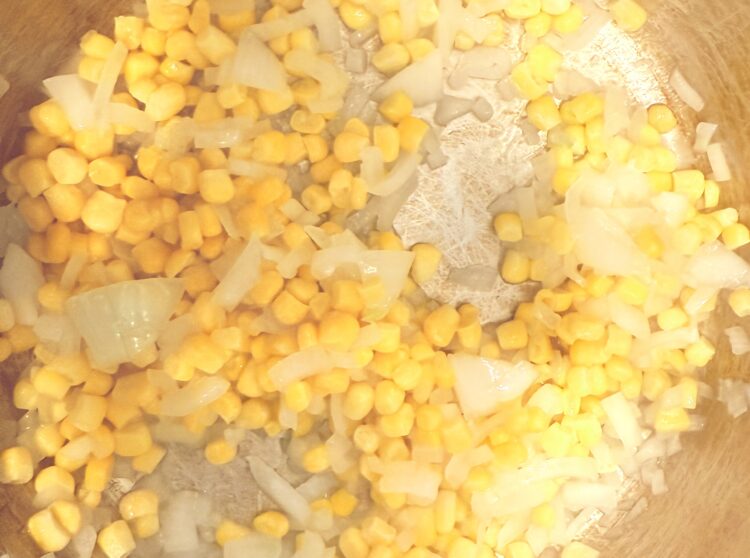
- Heat the oil in a pressure cooker (on sauté mode). Add chopped onion and cook for a minute.
- Add corn and cook for another minute.

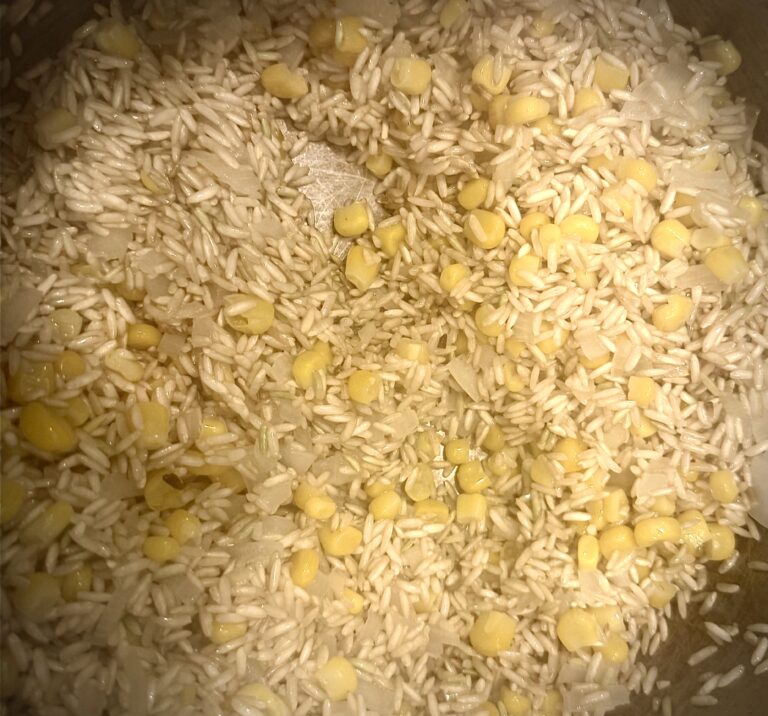
- Add rice and stir for a few minutes until you see some color in the rice.

- Add chiles mixture and the rest of the broth.
- Cover and pressure cook on high for 22 minutes. Let slow release for another 22 minutes before opening.
Notes
- While you’ll use a blender to make the green broth, everything else comes together in one pot — easy cleanup and full flavor!