These vegan refried black beans started as a question I couldn’t stop thinking about. Growing up, refried beans in my family meant pinto or white beans – that’s just how it was done. The recipe was passed down, cooked the same way every time, and it was good. Really good. But at some point I started wondering whether the technique was the magic, or the bean itself. Then a friend made me Cuban black beans and something clicked. They were earthy, a little sweet, deeply savory – and I thought: why hasn’t anyone put this into the refried beans recipe I grew up with? So I did. The tomato and bell pepper come from that Cuban influence, and they add a subtle sweetness and body that makes these beans feel a little more complete. I’ve been making them this way ever since.
What Are Vegan Refried Black Beans?
Despite the name, refried beans are typically only fried once – the “re” in refritos is a Spanish intensifier, not a literal second fry. The technique is simple: soften aromatics in oil, add cooked beans and liquid, then mash and cook until the mixture tightens into a thick, spreadable paste. Traditional versions are often made with lard, but oil works just as well and keeps the recipe fully vegan.
Most refried bean recipes in Mexican cooking use pinto beans. This version uses black beans, which have a slightly earthier, more mineral flavor and hold up beautifully to mashing. The tomato and bell pepper are a nod to Cuban-style black beans – they add sweetness and body without making the recipe taste fusion-y or confused. It still tastes like something that belongs on a taco.
If you want heat, add a serrano when you sauté the onion. One gives a mild warmth throughout; two pushes it into genuinely spicy territory. I leave them out when I’m cooking for the whole family.
Vegan Refried Black Beans: Ingredient Tips & Substitutions
Black beans can be canned or home-cooked. Canned is completely fine here – just drain and rinse them well. If you cook dried beans from scratch, save the cooking liquid. It’s richer than vegetable broth and makes better beans.
The bell pepper can be any color. Red and orange are slightly sweeter; green is more vegetal and slightly bitter. All work. Dice it finely so it cooks down into the beans rather than standing out as chunks.
Fresh tomato is what I use, with the seeds removed if the tomato is particularly watery. A roma or plum tomato is ideal – less water, more flesh. In a pinch, a couple tablespoons of canned diced tomato works fine; just drain it first.
For the broth, vegetable broth is the default, but bean liquid is better if you have it. It thickens the beans more naturally and adds depth. If you’re using canned beans and didn’t save any liquid, a light vegetable broth is the right call – avoid anything too strongly flavored.
Mexican oregano is listed as optional but worth having. It’s different from Mediterranean oregano – earthier, slightly citrusy, and it pairs naturally with black beans. It’s sold at most Latin grocery stores and increasingly at regular supermarkets. A small pinch goes in at the end, off heat.
The vegan butter is also optional, but a small knob stirred in at the end adds a silky richness that takes the beans from good to great. Any neutral vegan butter works.
How to Make These Beans (And Get It Right)
Start with your oil over medium heat. Add the onion and cook for about two minutes until it softens and starts to turn translucent. Add the garlic and cook for another minute – you want it fragrant but not browned. Then add the bell pepper and tomato. Cook everything together for 3 to 4 minutes, stirring occasionally, until the tomato breaks down and the mixture looks jammy. This base is where most of the flavor comes from, so don’t rush it.
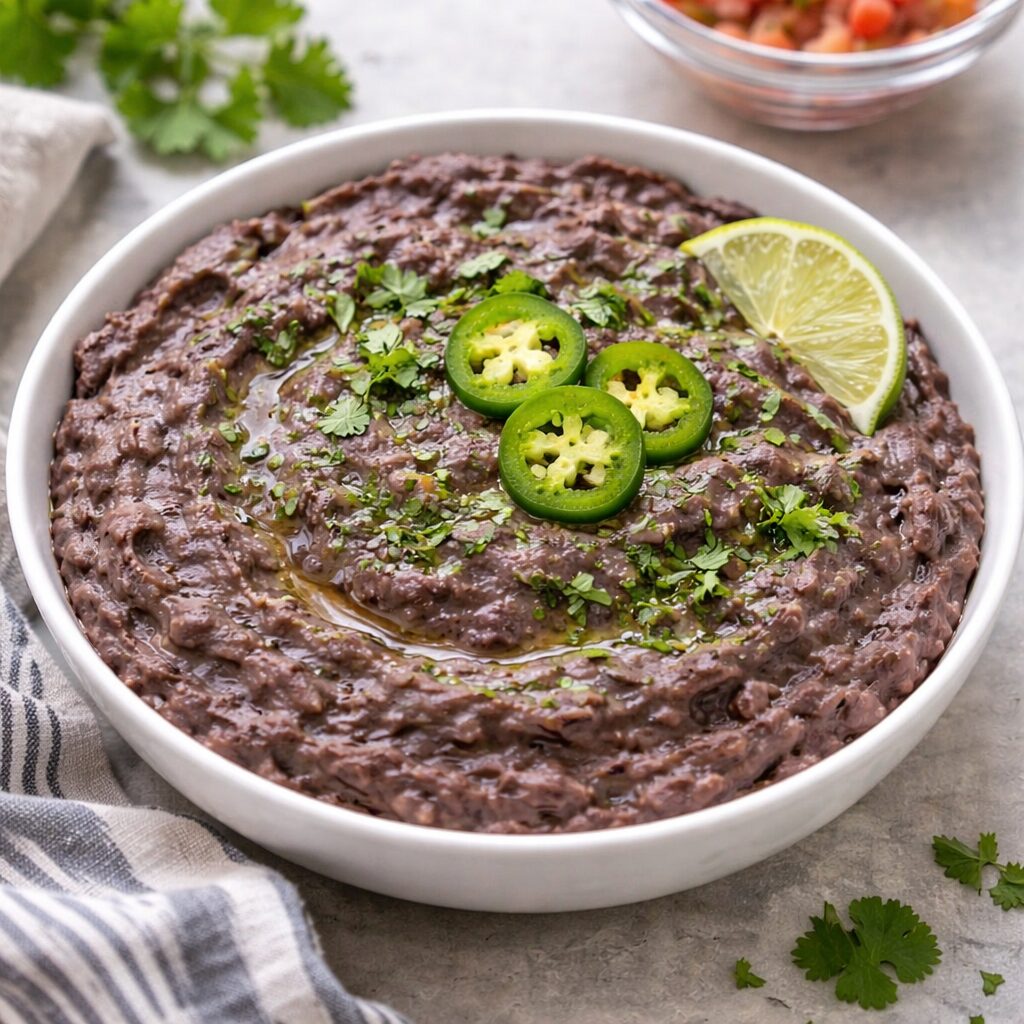
Add the beans and broth. Stir to combine, then let it cook for about 5 minutes so everything gets to know each other. Now mash. A potato masher gives you a rustic, textured result with some whole beans left intact. An immersion blender gets you something smoother and more uniform. Either is right – it’s a texture preference. I like somewhere in the middle: mostly smooth with a few beans still visible.
Once you’ve mashed, keep cooking over medium-low heat, stirring frequently, until the beans tighten to your preferred consistency. They should hold their shape when spooned, not run like a soup. This takes about 5 more minutes. Finish with salt, pepper, lime juice, and the Mexican oregano if you’re using it. Taste and adjust – the lime should be present but not dominant. If you’re adding vegan butter, stir it in now, off heat.
The most common mistake: pulling the beans too early. They should look slightly thicker than you want them in the pan, because they’ll loosen a little as they cool. If you take them off at the right consistency, they’ll be too thin by the time they hit the table.
How to Store and Serve Refried Black Beans
Refrigerate in an airtight container for up to 5 days. They thicken considerably as they cool – to reheat, add a splash of water or broth and stir over low heat until loosened. They also freeze well for up to 3 months.
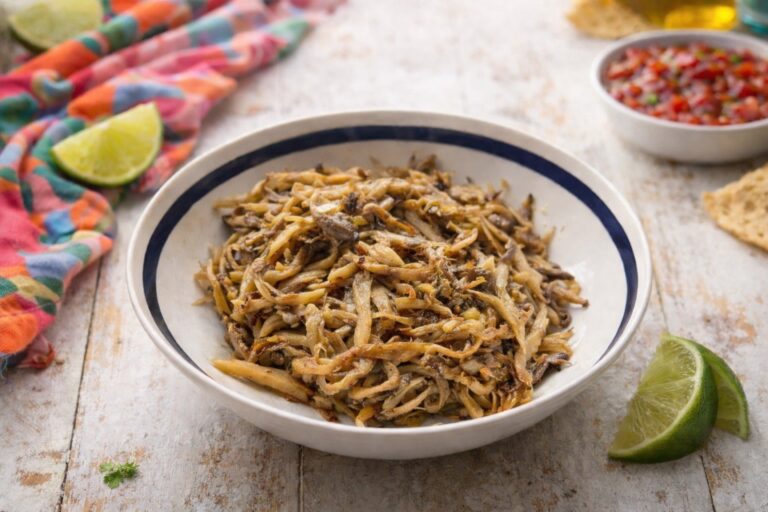
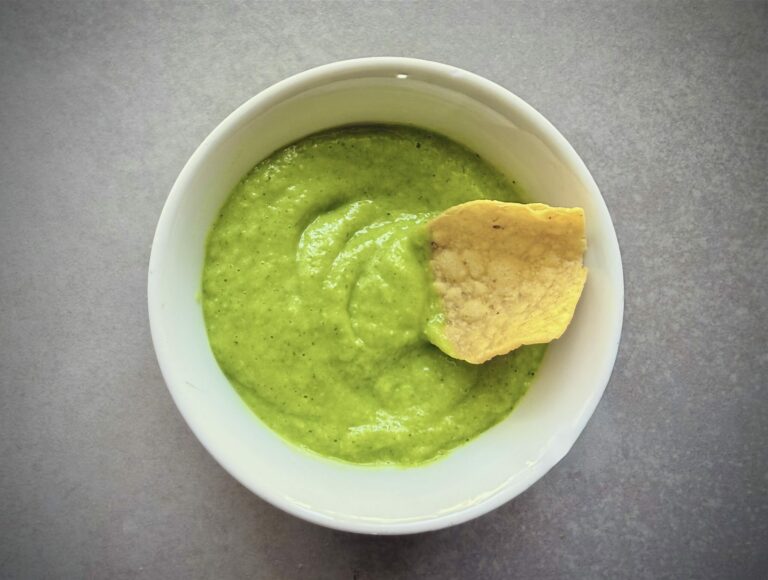
The obvious homes for these beans are the Mexican table staples: tacos, burritos, tostadas, sopes. Spread them on a warm tostada and top with avocado tomatillo salsa verde and pickled red onions with serrano and you have a complete meal in under ten minutes.
But breakfast is where these beans quietly become indispensable. Spread them inside a breakfast burrito with scrambled eggs. Serve them alongside fried eggs with warm tortillas. Spoon them onto a breakfast tostada with the avocado salsa and a little hot sauce. They reheat fast, they’re filling, and they make a weekday breakfast feel like something worth waking up for.
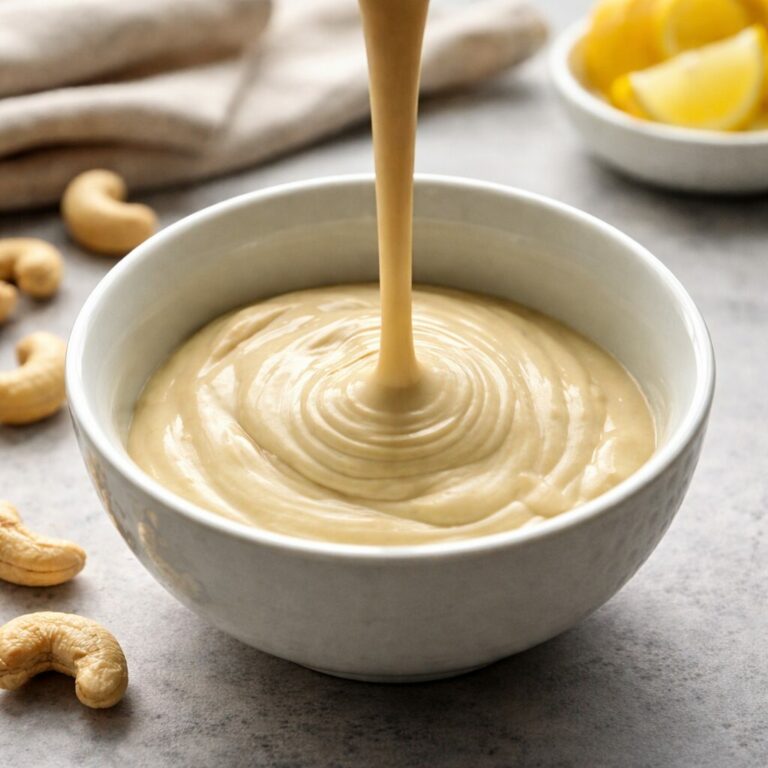
For a quick weeknight plate: beans over rice, a drizzle of cashew crema, and whatever salsa you have in the fridge. Done.
Common Questions
Can I use pinto beans instead of black beans? Absolutely. The technique is identical – pinto beans just give you a slightly creamier, milder result. My family’s original recipe used pintos, and it’s excellent. Black beans have a more pronounced, earthier flavor that I prefer now, but either works.
My beans are too thick. How do I fix it? Add broth or water a tablespoon at a time while stirring over low heat until you reach the consistency you want. This happens most often when reheating, since the beans tighten up in the fridge.
Can I make these ahead for a party? Yes, and they actually improve slightly after a day in the fridge as the flavors meld. Make them a day ahead, refrigerate, and reheat low and slow with a splash of broth before serving. They hold well in a slow cooker on the warm setting if you’re serving a crowd.
Vegan Refried Black Beans
6
servings10
minutes30
minutes600
kcalThese vegan refried black beans are rich, deeply savory, and built on a technique my family taught me – just with a Cuban-inspired twist that makes them even better.
Ingredients
2 tbsp avocado oil
1/2 white onion, diced
2 cloves garlic, diced
1/2 bell pepper, diced
1 tomato, diced
2 cups cooked black beans (from scratch or canned)
2 tsp salt (or to taste)
2 tsp lime juice
1 pinch oregano (optional)
1 tsp vegan butter (optional, for richness)
Directions
- Sauté aromatics: Heat oil over medium. Cook onion 3–4 minutes until softened. Add bell pepper and cook 2–3 minutes. Add garlic; cook 30 seconds.
- Add tomato: Stir in tomato and cook 3–5 minutes until slightly reduced and no longer watery.
- Add beans & seasoning: Stir in beans, salt, pepper (and oregano if using).
- Mash: Add ½ cup broth or bean liquid. Mash with a potato masher or back of a spoon to desired texture. Add more liquid as needed.
- Refry: Cook 5–7 minutes, stirring occasionally, until thickened and creamy.
- Finish: Stir in lime juice. Adjust salt.