What is Vegan & Gluten-Free Brioche?
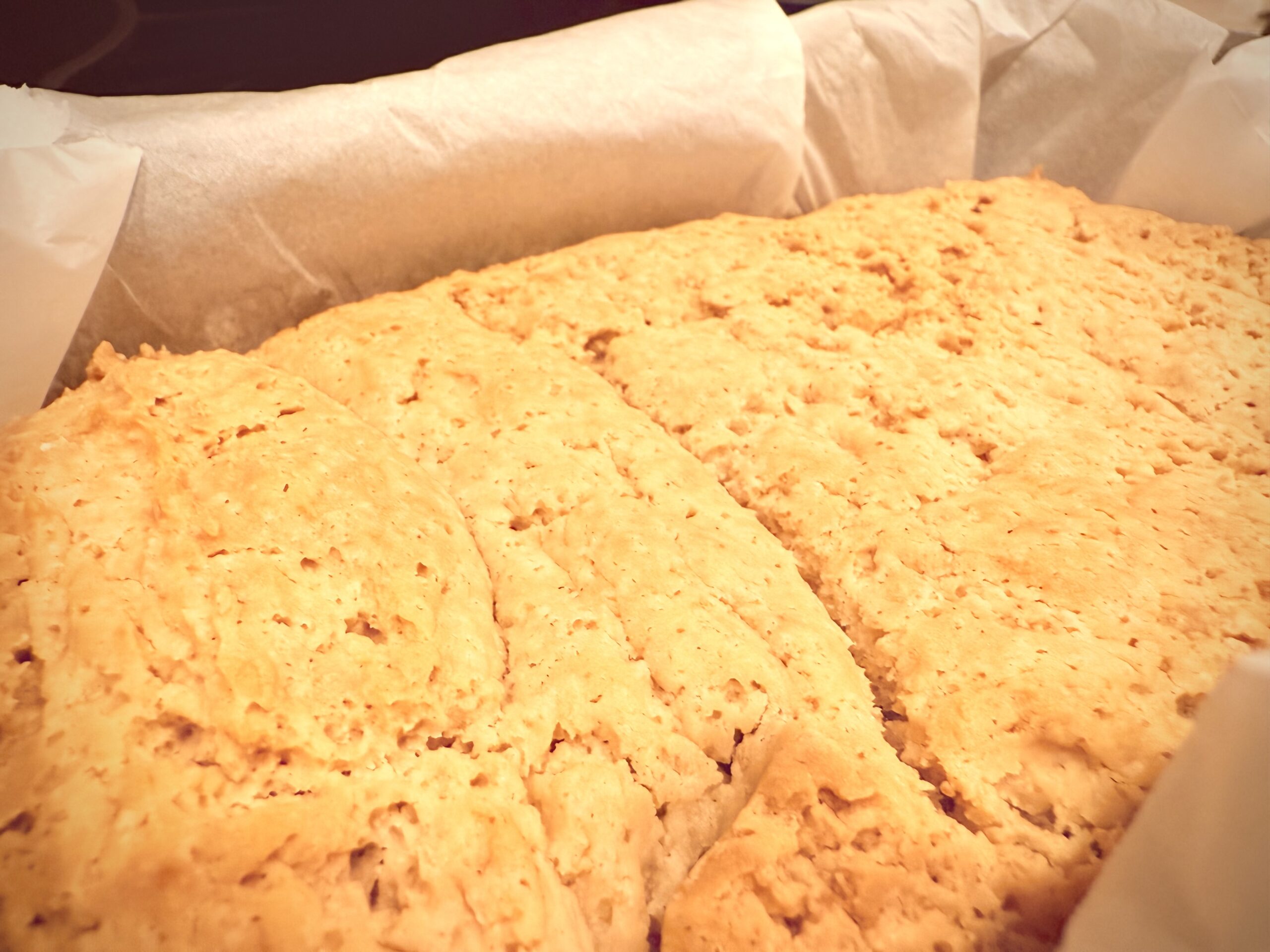
Traditional brioche is a French “enriched” bread, meaning the dough is loaded with high proportions of butter and eggs. This is what gives it that signature golden crumb, cake-like tenderness, and a rich, slightly sweet flavor.
Making brioche vegan is one thing (hello, vegan butter and plant milks!), but making it gluten-free is the ultimate baking challenge. Because brioche relies on a strong protein structure to hold all that fat, gluten-free versions often end up dense or crumbly. This recipe uses a specific ratio of aquafaba (chickpea brine) and a high-quality flour blend to mimic that stretchy, pillowy texture we love, without a trace of wheat or animal products.
Ingredient Tips & Substitutions
To get that “how is this actually gluten-free?” texture, the quality of your ingredients matters:
- The Flour: Use a gluten-free all-purpose blend that includes xanthan gum. If your blend doesn’t have it, add 1.5 teaspoons of xanthan gum to the mix. I find that King Arthur Measure for Measure or Bob’s Red Mill 1-to-1 work best for this specific bake.
- Aquafaba: This is the liquid from a can of chickpeas. It’s the “magic ingredient” here, acting as a binder and providing the lift usually offered by eggs. Make sure it’s at room temperature for the best emulsion.
- Vegan Butter: Use a high-quality vegan butter stick (like Miyoko’s or Violife) rather than a tub margarine. The higher fat content is crucial for the “brioche” feel.
- Oat Milk: I prefer full-fat oat milk for its creamy consistency, but soy milk also works well due to its protein content. Avoid thin milks like rice or almond for this recipe.
Detailed Cooking Guidance: The Secrets to Success
Gluten-free dough behaves differently than wheat dough—it will feel more like a thick cake batter or a “shaggy” paste than a bouncy ball of dough. Don’t panic!
- The Butter Integration: Notice the directions ask you to add the butter slowly while kneading. This is a classic brioche technique. Adding it at the end allows the flour to hydrate first, ensuring the fat is perfectly emulsified into the dough rather than just making it greasy.
- Visual Cues: When mixing, you are looking for the dough to go from “lumpy” to “glossy and smooth.” In a stand mixer, it should eventually pull away from the sides of the bowl slightly, though it will remain very sticky.
- The “Oven Light” Proof: Gluten-free yeast breads need a warm, humid environment to rise because they lack the elasticity of gluten. Placing the bowl in a turned-off oven with the light on creates a perfect “proof box” (usually around 80°F).
- Common Mistake: Under-baking. Gluten-free breads can look done on the outside while remaining gummy in the middle. If you have a kitchen thermometer, aim for an internal temperature of 205°F – 210°F.
Storage & Creative Usage Ideas
This brioche is a showstopper fresh, but it’s a gift that keeps on giving:
- Shelf Life: Like most gluten-free bakes, this is best on day one. By day two, I recommend slicing and toasting it to revive the buttery crumb.
- Freezing: This bread freezes beautifully! Slice the loaf first, place parchment paper between the slices, and freeze in a zip-top bag for up to 3 months. Toast directly from frozen.
- The Ultimate French Toast: Because this bread is so rich, it makes the world’s best vegan French toast. Soak it in a mixture of almond milk, cinnamon, and a splash of vanilla, then sear in vegan butter.
- Dinner Party Hack: Slice the 5 portions into smaller rolls before the second rise to make individual brioche dinner rolls—perfect for sliders or serving alongside a cozy curry.
FAQ: Frequently Asked Questions
Why is my gluten-free brioche gummy in the middle?
Gummy bread usually happens for two reasons: under-baking or slicing too soon. Gluten-free bread continues to “set” as it cools. Always let the loaf cool completely (at least 2 hours) before slicing, or the steam trapped inside will turn the starch back into a gel-like texture.
Can I make this without a stand mixer?
While you can mix by hand, a stand mixer is highly recommended. The 10-15 minutes of vigorous mixing is what helps develop the structure of the starches and properly emulsifies the vegan butter into the dough. If mixing by hand, use a sturdy silicone spatula and a lot of elbow grease!
Do I have to use aquafaba?
For this specific recipe, yes. Aquafaba provides the “protein” structure and moisture that makes the bread soft rather than brittle. If you must substitute, a commercial vegan egg replacer (like Just Egg) is the next best option, but aquafaba yields the most authentic brioche crumb.